Photo Ahimsa
Do not say that I’ll depart tomorrow
because even today I still arrive.
Look at me: I arrive in every second
to be a bud on a spring branch,
to be a tiny bird whose wings are still fragile,
learning to sing in my new nest,
to be a caterpillar in the heart of a flower,
to be a jewel hiding itself in a stone.
—Thich Nhat Hanh [9], Engaged Buddhist
Most members of the Green family are biophiles—they love living things. They have always loved dogs, cats, and other pets, as well as wildlife and birds. Most family members were never serious birdwatchers but always tagged along for a walk in the bush, spotting birds and helping to get good photographs.
The Greens can be classed as ‘mindful birdwatchers’—explained by Claire Thompson [10], author of ‘The Art of Mindful Birdwatching’:
Mindful birdwatching involves setting aside knowledge, labels, and expectations while fully attending to our direct experience with birds in a moment-by-moment, non-judgmental manner.
Professor Kabat-Zinn [11], a psychologist, says: ‘Mindfulness is a ‘richness of present-moment experience…the richness of life itself’. Luke Smith, a psychologist [], says that this is easy to do:
Most people think of mindfulness practice as meditating on a chair or cushion, which is an important aspect, but we can also be mindful in our day-to-day lives, such as when birdwatching.
He explains that by paying full attention to our senses whilst birdwatching (such as a bird’s song and appearance) and bringing our attention back to these anchors when our minds wander, we practise what is termed “informal mindfulness.”
Jim has called this easy-to-do, enriching birdwatching practice ‘Photo Ahimsa’—to stress its non-violent nature. ‘Ahimsa’ is Sanskrit for ‘non-violence,’ and ‘Photo’, short for ‘photon’, implies ‘shooting’—harmlessly, by taking a photo.
The following incident illustrates the Green family’s practice of Photo Ahimsa. Jim explains:
We were showing visitors the lovely gardens at the Abbotsford Convent in Victoria. Armed with my camera to photograph native plants and flowers, we came across a stunning Red Rumped Parrot, to the delight of our visitors.
Just as I was about to take a photograph, someone’s mobile phone rang, causing the parrot to prepare for a hasty retreat.
 Figure 6: Red-rumped Parrot—Abbotsford, Victoria. |
But the parrot remained there, staring us straight in the eye, regardless of the intrusive ring of the phone. We stood motionless, and I quickly took a photo.
So, an enriching Photo Ahimsa moment can occur any time or place—and you don’t need elaborate preparations for this to occur.
Jim adds a warning:
It’s almost impossible to avoid stepping on ants or having to dispose of flies that crawl into the corner of your eye while birdwatching. That’s still Photo Ahimsa, because it’s unintentional and unavoidable—an act of self-defence? But let’s get this straight: if you shoot a bird, you’re practising Himsa—violence. It could haunt you for the rest of your life. I still suffer from a mild form of PTSD when I recall my bird-hunting days.
‘Mindfulness’ has become a credo for many people in modern society and is recommended by psychologists for treating mental health issues such as anxiety and depression.
So, how can birds help to improve our mental health? We agree with eBird Caribbean [12] that ‘birds can be our very best therapists, if we give them the chance. They can help us through the tough times.’
Anxiety or feeling ‘down’ will lift; depressing thoughts will flee when you come across a kookaburra sitting still, who welcomes you with a call [13]—a loud, rolling sound that starts as a low, staccato chuckle, rising into a wild, echoing cackle that sounds just like a human laughing madly in the bush.
 Figure 7: Kookaburra—Noosa, Queensland |
How can you be depressed when standing below this Rainbow Lorikeet? You can’t help but say ‘Hello!’
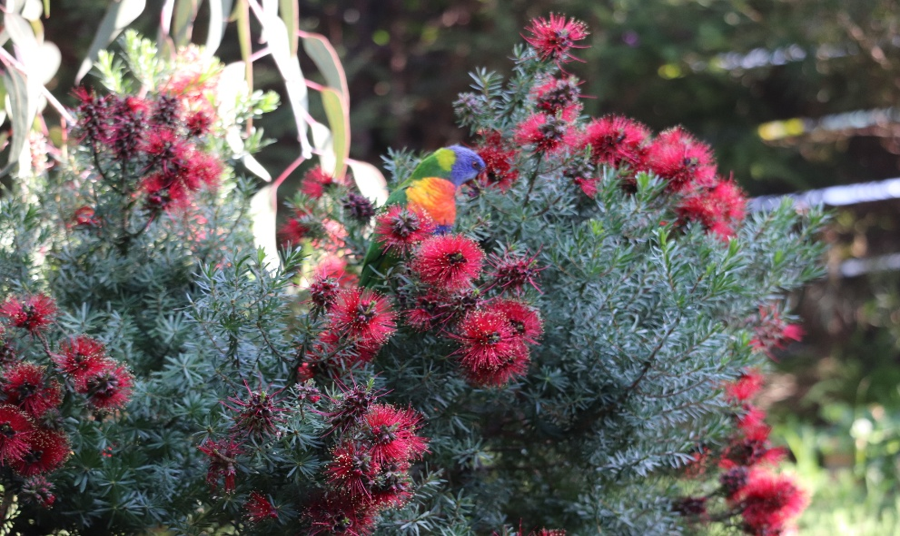 Figure 8: Rainbow Lorikeet—Hawthorn, Victoria. Figure 8: Rainbow Lorikeet—Hawthorn, Victoria. |
Jim describes his visit with Dedrie to the Blue Lotus Water Garden in the Yarra Valley in autumn. He was aware of Lizabeth Roemer’s [14] words that interesting, pleasant, and calming environments can help to reduce our physiological arousal and enhance positive emotions.
The experience was just that.
‘Feel-good’ hormones kicked in as they walked through the plants and lotus flowers, surrounded by huge River Red Gums, with birds darting in and out of the flower beds.
Jim’s photograph tells the story:
The Pacific black duck in the lotus pond caught everyone by surprise as it glided out gracefully from the overhanging lotus plants and flowers. An artist sitting close by also captured this exquisite Monet-esque scene.
There were smiles all around. People took photographs, quietly talking to each other. As far as everyone was concerned, there was ‘nothing else to do, nowhere else to go!’
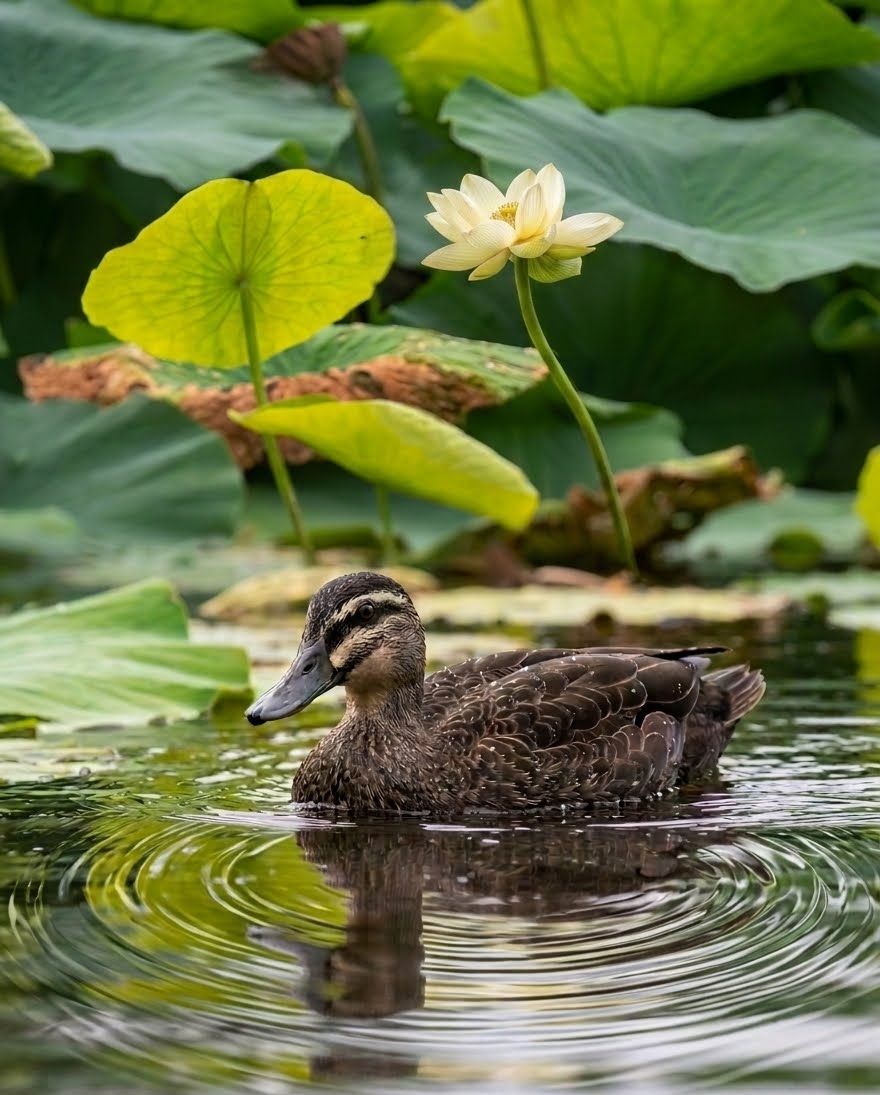 Figure 9: Pacific black duck— Blue Lotus Water Garden. Figure 9: Pacific black duck— Blue Lotus Water Garden. |
There are many ‘healers’ in local parks, gardens, and sporting ovals. They can appear suddenly on a walk, can feel comfortable in the mindful birdwatcher’s company, and connect easily with one.
A ‘mental health measuring meter’ could show an improvement in mental health immediately whenever such a ‘healer’ appears. We de-stress. We begin to feel welcome; we belong—only for a short while sometimes, but we are not allowed to get too close. Our cortisol [15] levels drop; ‘feel-good’ neurotransmitters, such as oxytocin and dopamine, [16] rise. Everyone feels safe, and the ‘healer’ carries on unhindered.
These are some of Jim and Dedrie’s healing Photo Ahimsa experiences, told by Jim:
Crested Pigeons accost us on our city oval near Burnley Gardens, Victoria, with their tessellated [17] wing patterns blurred as they diligently go about their business. Stocky ‘no-sillies’ birds that allow us within striking distance but end the visit swiftly, with their wings making a high-pitched whistling alarm sound when they fly off.
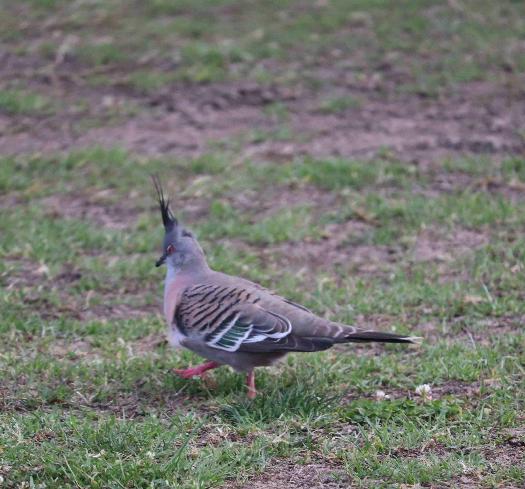 Figure 10: Crested Pigeon—Australia-wide. |
On the same oval, the Red-rumped Parrots move around almost undetected through the grass. We cannot help but smile, ‘cluck–cluck’ to the birds, and gingerly walk through the little groups feeding in the grass. Since we know each other, we get on well.
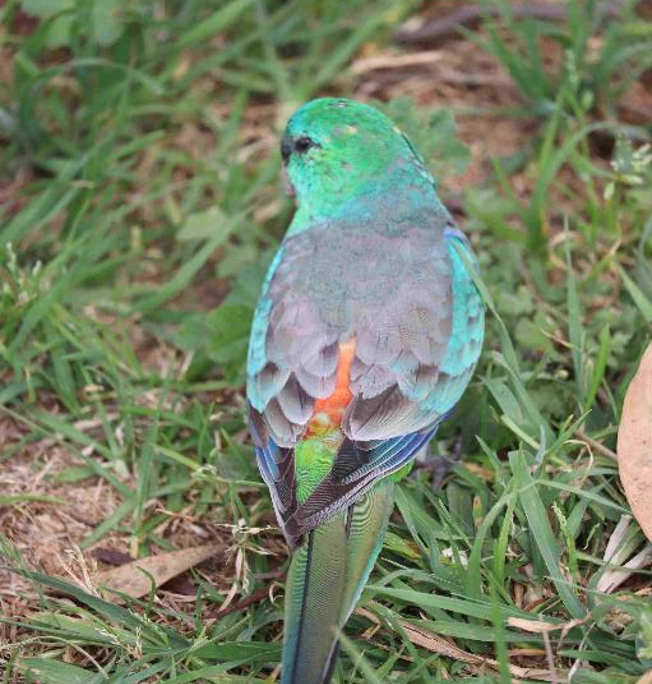 Figure 9: Red Rumped Parrot—Hawthorn, Victoria. Figure 9: Red Rumped Parrot—Hawthorn, Victoria. |
We were climbing out of our car in a carpark on a visit to the Bay of Fire in Tasmania when this tiny Superb Fairy–Wren jumped into our walking space at lightning speed. We were overjoyed to catch one of these frenetic little wrens sitting still for a moment.
 Figure 10: Superb Fairy–Wren (Female)—Bay of Fire, Tasmania. |
There was an immediate rush of Dopamine, Serotonin, endorphins, and Oxytocin—the ‘feel-good’ hormones. She sat still for a second so that we could enjoy Photo Ahimsa with her.
While visiting a hobby farm near Monbulk, this Crimson Rosella jumped out of the garden bed with a seed in his beak. We watched and waited to see what he intended to do with it.
 Figure 11: Crimson Rosella—Monbulk, Victoria. |
Recently, Jim took his camera to the Abbotsford Convent in Victoria to photograph the local birds. A few surprises awaited him as he walked through this delightful garden, home to many local birds.
A Magpie Lark boldly walked up to him, looked him in the eye, and posed for a photograph. Then, he noticed a Red Rumped Parrot nearby. Jim was worried that he might accidentally step on him, but the parrot simply sidestepped him and joined several others along the pathway.
It was a wonderful start to his day. He said, ‘I felt good, joyful—welcomed into their world—their homes.
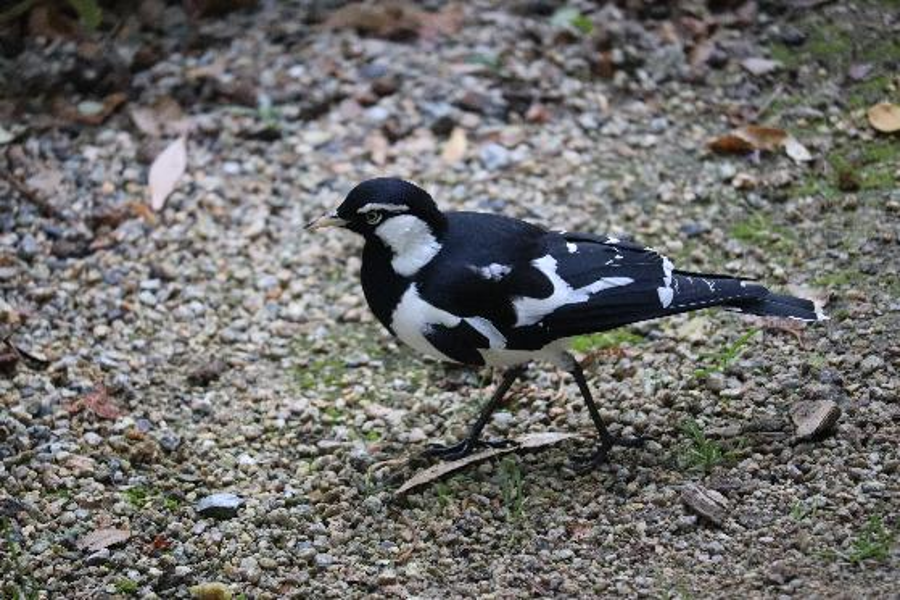 Figure 12: Magpie lark—Abbotsford, Victoria. Figure 12: Magpie lark—Abbotsford, Victoria. |
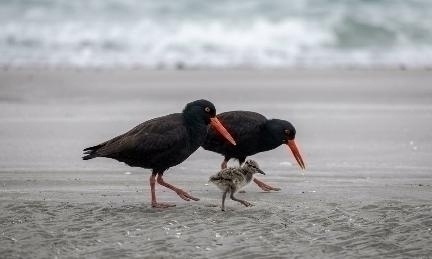
Jim and Dedrie had a good dose of the ‘love hormone’, oxytocin, when they came across this poignant scene while walking on Ohope Beach in New Zealand. The oystercatcher parents tried to shoo them away and guided the little oystercatcher away from them.
They walked away from them until they settled down, and then they quickly took these photographs.
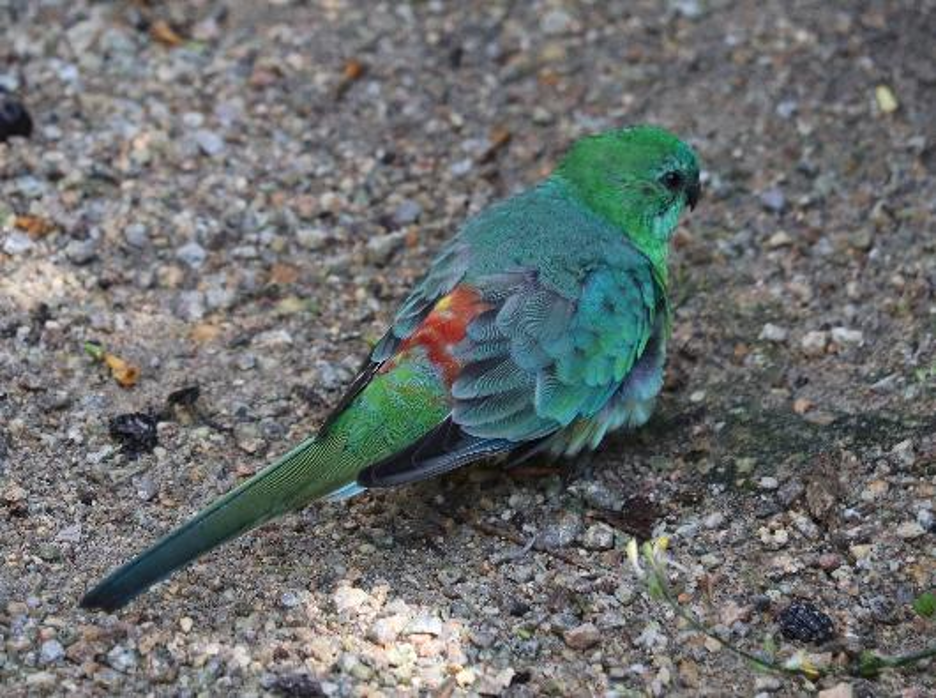 Figure 13: Red Rumped Parrot—Abbotsford, Victoria. Figure 13: Red Rumped Parrot—Abbotsford, Victoria. |
Figure 14: Oystercatcher Parents—Ohope, New Zealand.  |
 |
We highly recommend mindful birdwatching so that you too can experience the ‘feel-good’ hormones that can benefit you. The birds are excellent therapists—give them the chance.