Shooting with ‘Photons’
All beings tremble before violence. All fear death, all love life. See yourself in others. Then whom can you hurt? What harm can you do?
—Siddhartha Gautama, The Buddha
Jim hunted birds in his childhood and teenage years, shooting them and collecting their wings as trophies. His bedroom wall was festooned with colourful, patterned wings of many birds that met their premature end from a lead air rifle pellet.
But he had a change of heart one day. What was behind Jim’s epiphany?
Jim occasionally hunted African Guinea Fowl when he was a young dad, dragging his two children (Hilda and Peter) along with him. The birds were wary, smart and inquisitive, thereby avoiding the 0.22 rifle bullets most of the time. One day he had a rare ‘success’ and shot one of them.
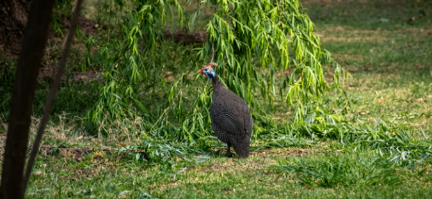 |
| Figure 3: Wary Guinea Fowl—South Africa. |
His ‘success’ soon turned to bitter regret when Hilda asked him tearfully, seeing the lifeless, bloodied bird in his hand, ‘How could we eat such a lovely bird, so inquisitive and smart?’
The bird was turned into spiced venison, which neither Jim, Peter nor Hilda could eat, after that remonstrance. Jim vowed never to hunt with a rifle again— ‘It would only be with a camera from now on,’ he said.
But the seeds of non–violence were sown long before. Jim tells this bird-hunting story with much regret:
During my childhood and teenage years, I was a hunter, shooting birds and collecting their wings to hang as trophies on my bedroom wall. It was a hobby that many boys my age indulged in. I remember the shouts of triumph when the thud of the pellet from my air rifle signalled a hit. The doomed bird would either fall like a stone or flutter its way to the ground. If injured, they were quickly dispatched by having their necks wrung.
Each experience was deeply unsettling for me. Every time I encountered what the world deemed a ‘success,’ I couldn’t shake the feeling of self-loathing that crept in. A sadness then engulfed me, bringing tears to my eyes, especially when I picked up an injured or lifeless little body.
One day, when I was about ten years old and living in a town on the banks of the Limpopo River, I had an incident that would change me forever. A beautiful sugarbird flitted around the flowers in our front garden, sucking nectar from an aloe in the flower bed. I dashed inside to grab my air rifle, intent on securing that bird’s wing.
As the sugarbird fluttered about, visiting flower after flower, I drew a bead on its colourful body. When the pellet found its mark, the sugarbird dropped to the ground, stone dead. I rushed back into the house, holding my prize high. However, I did not anticipate my sister Joan’s reaction. She took one look at the tiny, feathered figure in my bloodied hand and let out a piercing scream, “Dad, come quick; Jimmy has killed our little sugarbird!”
My father, a firm believer in “spare the rod and spoil the child,” did not hold back. I felt every blow of the belt, but that night, I spent hours crying over what I had done. Little did I realise at the time that the sugarbird would haunt me forever.
Now, whenever I see one of those little Blue Wrens, or a Willie Wagtail, their magic makes me wonder why the exquisite beauty and delightful antics of the sugarbird hadn’t restrained me from taking its life.
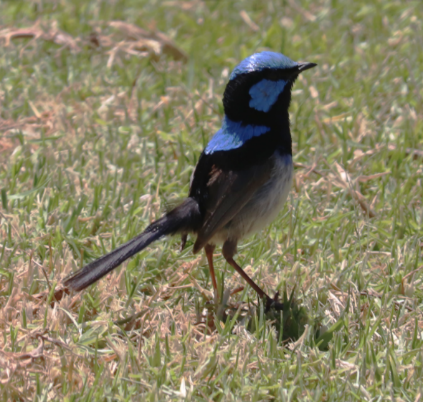 Figure 4: Blue Wren—Warrnambool, Victoria. |
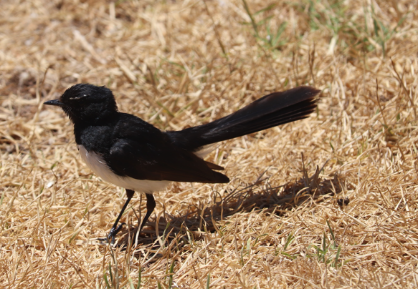 Figure 5: Willie Wagtail—Warrnambool, Victoria. |
Jim is now happy to be ‘shooting’ with ‘photons’, because ‘photons’ are bullet–like, except they do no damage to birds and ensures that he is a non-violent birdwatcher:
Photons are tiny packets of light that bounce off objects, travel through a camera lens, and hit a recording surface. They create photos by transferring their energy to trigger physical or chemical changes, turning light patterns into a permanent image.
He calls the hobby—the practice—Photo Ahimsa.