Art, Beauty, Science & Pathos
To take a photograph is to participate in another person’s (or thing’s) mortality, vulnerability, mutability.
—Susan Lee Sontag[18], American Writer
Susan Sontag says that photography is an elegiac and twilight art:
Photography is an elegiac art, a twilight art. Most subjects photographed are, just by being photographed, touched with pathos. An ugly or grotesque subject may be moving because it has been dignified by the attention of the photographer. A beautiful subject can be the object of rueful feelings, because it has aged or decayed or no longer exists. All photographs are of memento mori [remember you must die].
Our photographs may reflect the art and beauty of our animal (birds are also classified as animals) subjects, but they may also convey a hidden message about the danger they face from habitat destruction. The photographs tell us that although we have connected in the past, we may never connect again if animal habitats become unsustainable.
Look for the artwork. Most, if not all, birds, animals, and plants display exquisite colours, beautiful skin and body patterns, and exceptional, often individual, behaviours. The photographs need little explanation.
The Animals
Exquisite artwork and natural mathematical and visual patterns—such as symmetry, fractals, patterns, waves and tessellations [19]—can be observed in the animals we photographed in their living spaces—not to forget the colouring, patterns, geometrical shapes, stripes, spots and dots
Colouring, Geometry, Stripes, Spots and Dots
Often when travelling through the Kruger National Park, impala walk out from everywhere. They walk across the road and mingle with their mates, the wildebeest and the zebra. But let a predator dare approach—the veld around the impala turns into a blaze of blending colours, a kaleidoscope of movement. This is what the artists and scientists say about the magnificent colouring of this antelope [20]:
The impala’s coat looks so striking because of sleek colour gradients, sharp contrast, and evolutionary adaptations. The coat features a rich, glossy reddish-brown or chestnut “saddle” along the back that gracefully transitions into lighter tan or warm-cream flanks.
The upper body colours meet a crisp, stark-white underbelly, throat patch, and inner ear linings, creating a clean, high-contrast separation. Fine white rings encircle the eyes, while bold, black-tipped ears, vertical black thigh stripes (forming a signature “M” shape on the white rump), and a dark-striped bushy tail give the animal a striking, tailored look.
Beyond aesthetics, this natural countershading helps break up the antelope’s 3D silhouette in the dappled light of the veld, blending them into woodland and grassland backgrounds.
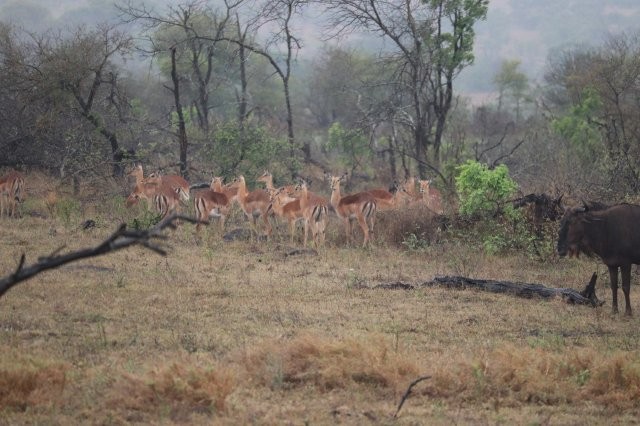 Figure 22: The Impala |
Nature can be so inventive! Why the stripes on a zebra?
Experts generally agree that zebra stripes mainly help keep away biting flies, like horseflies and tsetse flies, which can spread harmful diseases.
Research and observations from groups like the African Wildlife Foundation and the National Geographic Education Blog suggest that the strong black-and-white pattern confuses these insects. This makes it hard for them to estimate how far away the zebra is, how fast it’s moving, and where to land on its body.
Scientists tell us that other reasons for the stripes are:
Black stripes absorb heat in the cool morning, while white stripes reflect light, helping create micro-air currents that cool the animal in the hot afternoon.
It was once thought that the stripes hide zebras in tall grass; modern studies suggest the stripes create a “motion dazzle” effect when a herd runs together, making it harder for predators like lions and hyenas to single out an individual target.
Like human fingerprints, each zebra has a one-of-a-kind stripe pattern that may help mothers, foals, and herd members recognise one another.
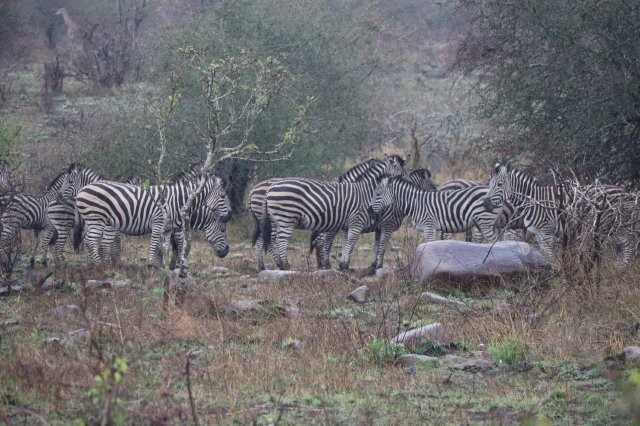 Figure 23: Zebra—Stripes and Patterns |
So, it’s not some rogue DNA molecules that decided that ‘variety is the spice of life’! The stripes mean something—certainly to the San people in the Kalahari [21]!
Zebras are not common in San rock art, but they do appear prominently in San folklore and ritual practices. The Kalahari tale regarding the “branding” or marking of the animals is a foundational creation myth of the Ju/’hoan San people. The myth describes a primordial era when humans and animals were not yet distinct, and explains how distinct species, physical traits, and the laws of nature were established.
The zebra eagerly steps forward first to see what is happening. The creators or the community draw stripes across its body using 𝑛/𝑜𝑚 (spiritual potency). Seeing how beautiful the zebra looks with its new stripes, the others step forward to receive their unique markings, patterns, and physical forms. Young Ju/’hoansi girls decorate their thighs and cheekbones with ochre or ash in imitation of zebra stripes. They say that the zebra is the most beautiful of all animals. The presence of zebra in San rock art is linked to women’s supernatural potency and rain.
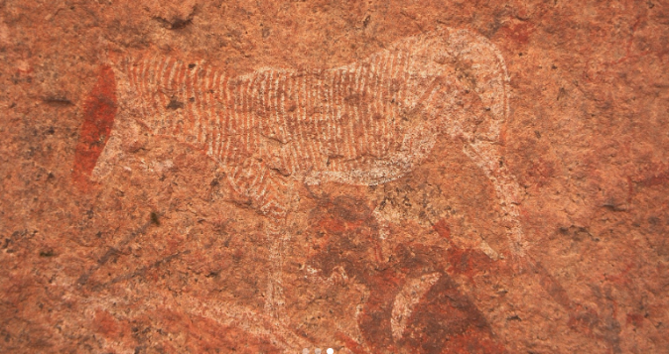 |
| Figure 24: San Art—Zebra Stripes |
The Nyala is widely regarded as one of Africa’s most graceful and striking wild animals. Its beauty stems from a remarkable level of sexual dimorphism, meaning males and females look drastically different:
On our first day in Hoedspruit, Jim woke Dedrie to see male and female nyalas, which are truly remarkable, with impressively large, expressive ears that really make them stand out, especially since their eyesight is a bit limited. These elegant creatures move with a shy, enchanting charm—a delightful experience for anyone fortunate enough to encounter them!
According to Southern African tradition, the beautiful white dots on a nyala’s face are thought to be God’s fingerprints, a sweet reminder of the creator’s embrace when declaring this animal the most beautiful of all. This wonderful blend of nature and mythology brings an extra layer of magic to observing these incredible animals in their natural habitat.
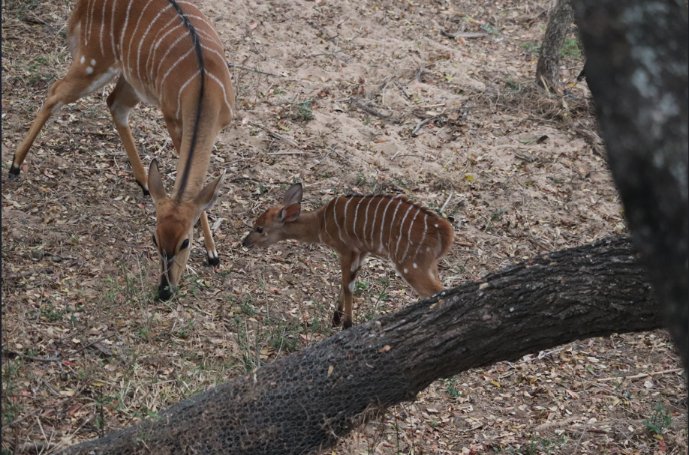 Figure 25: Nyala—Hoedspruit | |
This butterfly used its shape and colour to pretend that it was a rather large yellow leaf. But it could have fooled anyone.
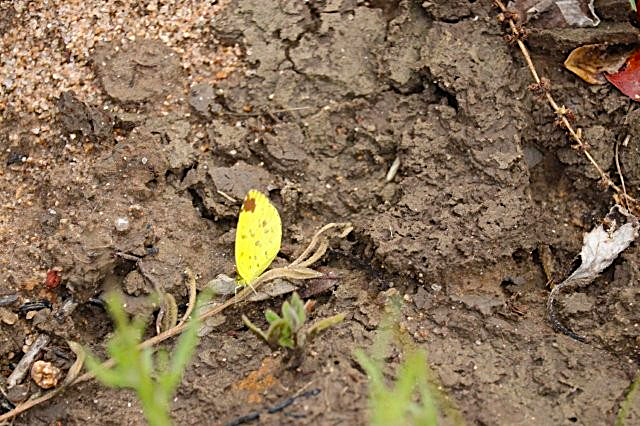 Figure 26: Pretence—Colour Perfect |
What peculiar geometrical shapes are on this giraffe! What do the scientists say about these shapes and patches [22]?
Giraffes have unique skin patterns that help them survive in two main ways: they provide camouflage to hide from predators and help regulate body temperature.
When a giraffe stands among trees and bushes, its skin patterns help it blend into the shadows and light. This makes them difficult for predators to spot. Adult giraffes can use their large size to protect themselves, but it’s especially important for young giraffes to stay hidden while their mothers eat. Research shows that baby giraffes inherit specific spot patterns from their mothers, which help them avoid predators.
The skin under the dark spots works like a cooling system. Each dark blotch contains a network of sweat glands and blood vessels. A giraffe can send warm blood into these spots through special arteries. The heat escapes from these areas, helping the giraffe keep its body temperature stable even in the hot African sun.
Every giraffe has a unique coat pattern, like a human fingerprint. Each subspecies has its own style, such as jagged edges or smooth lines, and no two giraffes have the exact same pattern.
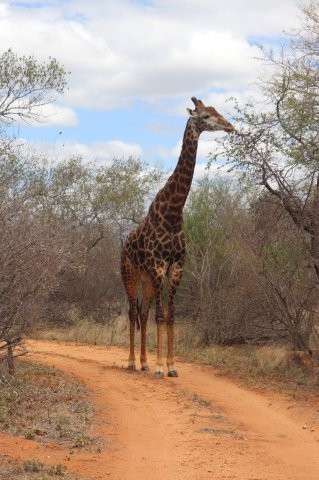 Figure 27: Giraffe—Geometrical Shapes |
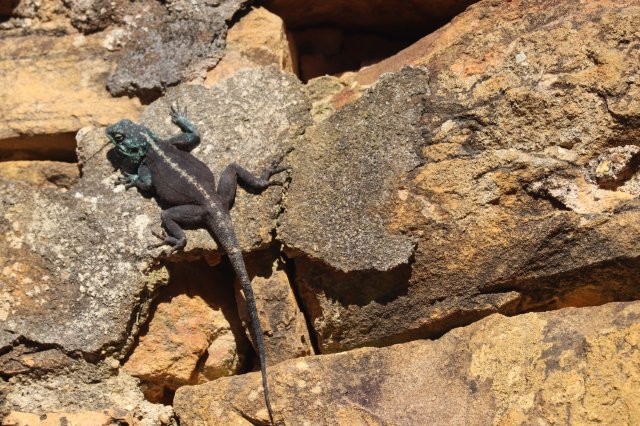 Figure 28: Bloukop Koggelmander |
This Southern Rock Agama-Bloukop Koggelmander (Figure 28) eyed Jim, Dedrie and Hilda suspiciously, but paused long enough to show off its spotted stripe extending to its tail.
The white circle on a waterbuck’s rump acts as a visual “follow-me” signal, helping the herd stay together when fleeing predators and helping a young waterbuck avoid getting lost while moving. It is a strikingly beautiful slightly elliptical circle with a slightly blurred lower semicircle.
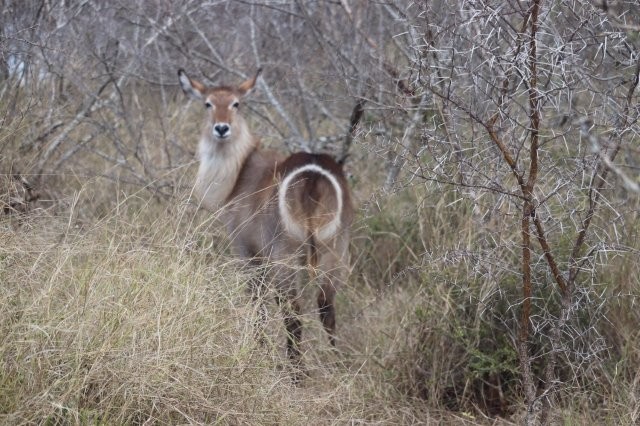 Figure 29: Waterbuck Symmetry |
Symmetry
Almost all African land creatures exhibit strict left-right bilateral symmetry [19]:
An organism can be divided into matching, mirrored halves along a single sagittal (dividing the body into two halves) plane—a foundational bridge connecting biological survival, evolutionary design, and human artistic aesthetics.
Over 99% of animal species follow this structural blueprint, linking functional efficiency directly to what our brains perceive as inherently beautiful. This balanced body plan is essential for coordinated locomotion, hunting, and fleeing from predators.
Look for the symmetry—it is everywhere and pleasing to see!
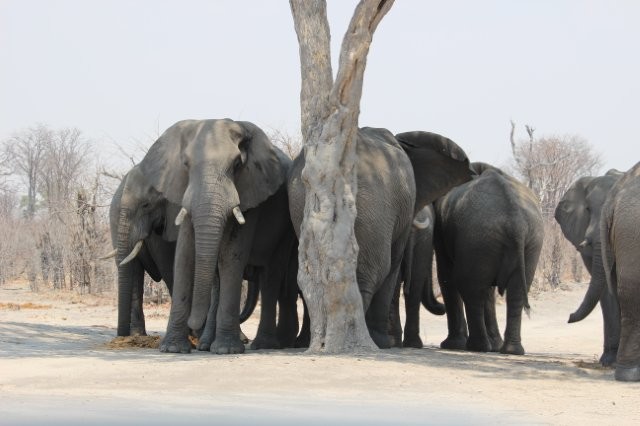
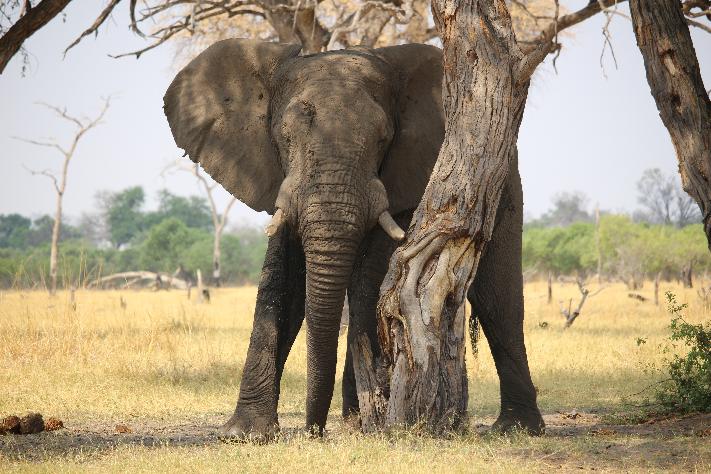 Figure 31: Elephant Symmetry |
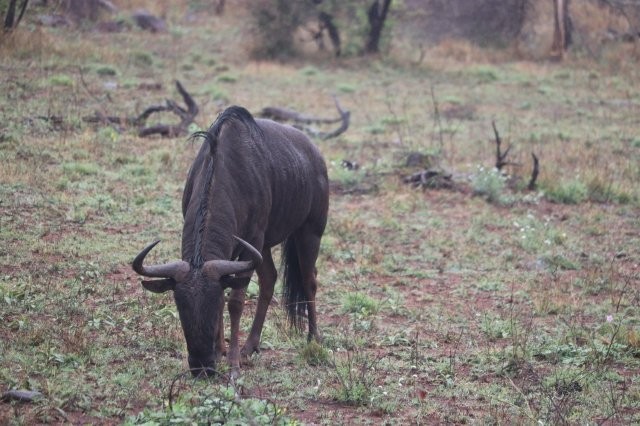 Figure 32: Wildebeest Symmetry |
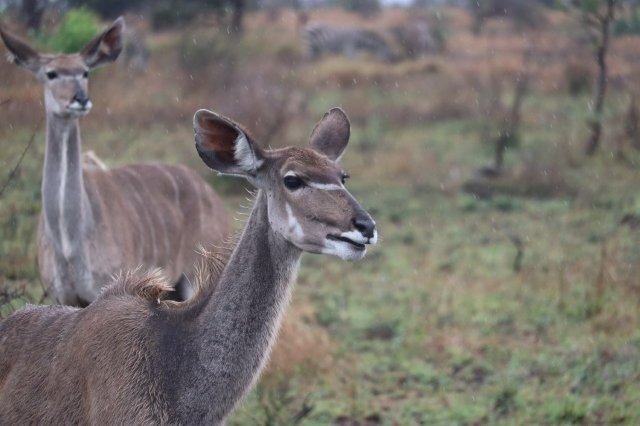 Figure 33: Kudu Symmetry |
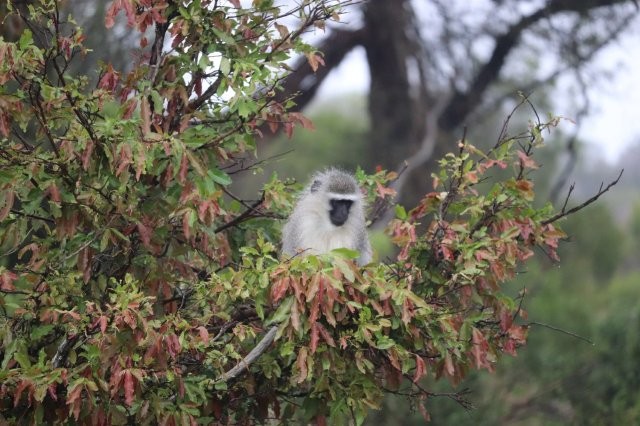 Figure 34: Vervet monkey symmetry |
Many antelopes have facial and antler symmetry. Kudus and Impalas display symmetrical horn growth along the sagittal plane, which plays a role in species recognition and ritual combat.
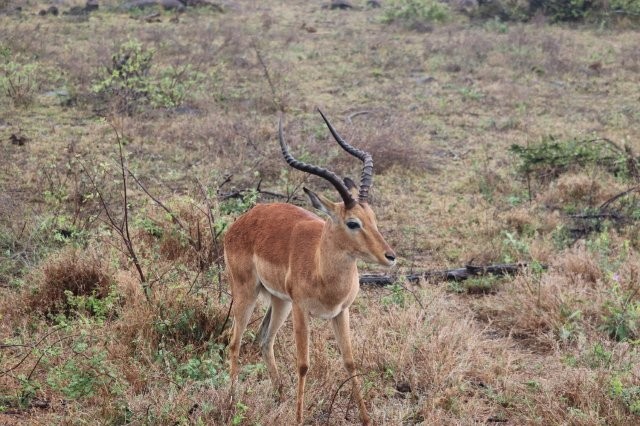 Figure 35: Impala—Antler Symmetry |
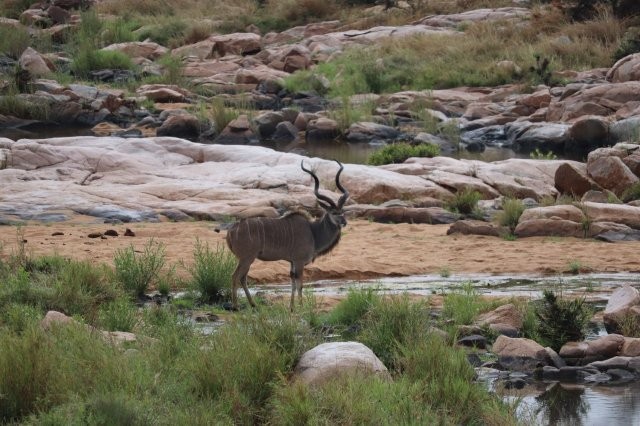 Figure 36: Kudu Antler & Face Symmetry |
The Green’s came across this giraffe in Botswana—pure symmetry.
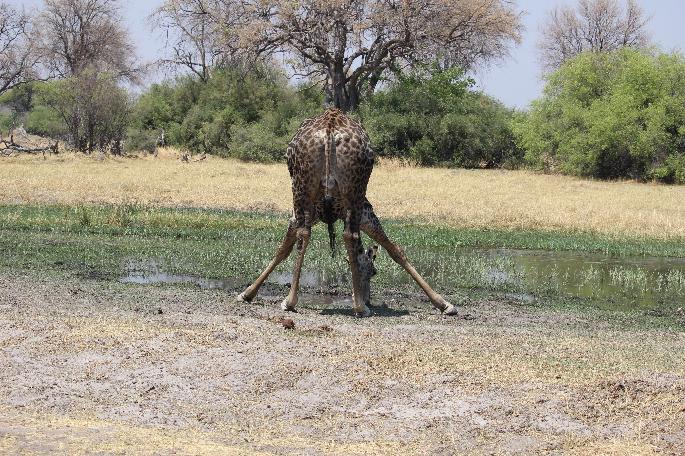 Figure 37: Giraffe Symmetry |
Fractals and Fibonacci Sequence
Searching for fractals and evidence of Fibonacci numbers [23] in nature adds another dimension to the Photo Ahimsa experience as you walk through the veld. Nature uses Fibonacci numbers and fractals as simple growth rules to pack space efficiently, capture sunlight, and build complex structures. The perplexing question is—how does nature know about these rules and clever design principles?
The relationship between antelopes and the Fibonacci numbers lies in the geometric growth of their horns, which often form a logarithmic spiral or “Golden Spiral” closely linked to the Golden Ratio. As the Fibonacci sequence (1, 1, 2, 3, 5, 8, 13…) progresses, dividing any number by the one before it gets closer and closer to 1.618—the magical Golden Ratio.
Antelopes like the kudu and the eland grow horns that curve or twist outward as they age. Rather than forming a simple, tight circle, the horns expand in proportion to their length. The cells at the base of the horn grow and divide at slightly different rates on one side versus the other. This genetic “instruction manual” dictates a permanent angle of growth that mimics the Golden Ratio.
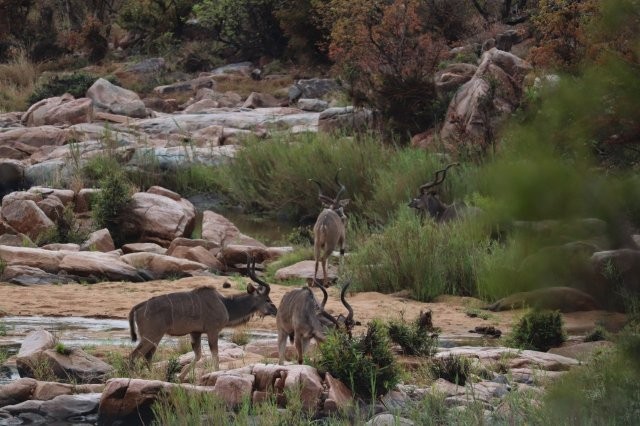 Figure 38: Kudu Spiral Horns |
This evolutionary design isn’t just for aesthetics. A Fibonacci-like spiral allows the horn to grow continuously larger and stronger without changing its core shape. This provides maximum structural integrity, balance, and defence efficiency while keeping the weight balanced over the animal’s head.
On a game drive, the Greens watched the hippo antics for some time. These ‘rocks’ in the water lay still for a long time, and then, inexplicably, two of them emerged and started chasing each other. Something happened underwater that transformed these huge floating blobs into adversaries chasing and thumping each other in the shallows!
They are also dependent on a truly amazing fractal system:
The circulatory and respiratory systems of large African mammals like the Hippopotamus branch out in self-similar, fractal-like patterns to maximise oxygen and nutrient exchange.
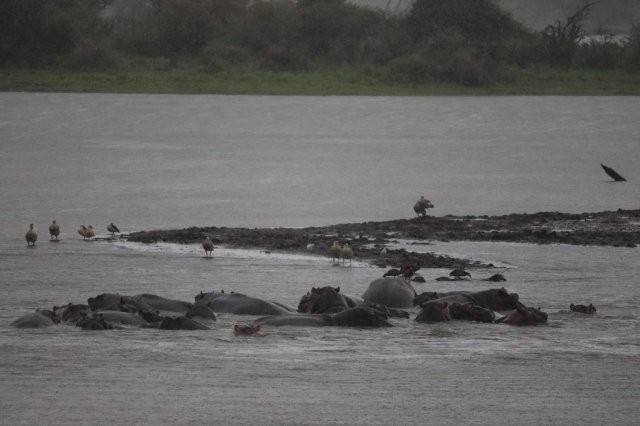 Figure 39: Fractelled Hippos |
Waves
There are waves associated with the movement of certain animals [25]: The running gait of a galloping Springbok is an example of kinetic waves through muscle and spine—to optimise energy efficiency. The only place that Jim and Dedrie saw a springbok was in the Central Kalahari National Park in Botswana, several years ago.
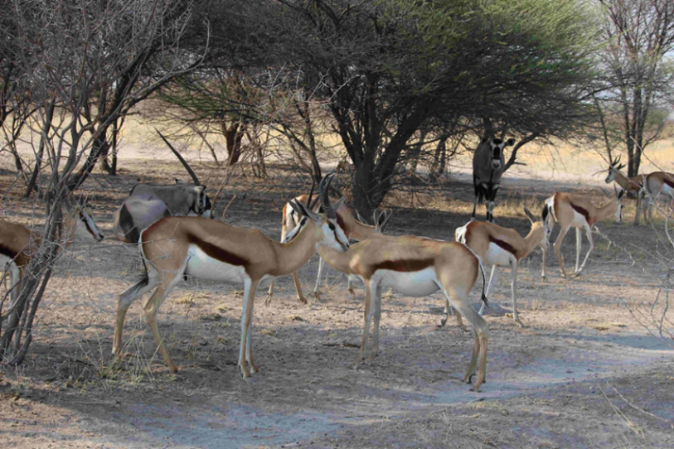 Figure 40: Kalahari Springbok |
Low-frequency seismic and acoustic waves produced by African Elephants travel through the ground and air to communicate across vast distances in the veld [24].
The Greens tell this story:
We were about to leave our campsite when we heard the most awful screeching, trumpeting and roaring. ‘Surely the elephants are being attacked by lions!’ someone shouted. ‘They’re just around the corner.’ The other elephants joined in. We couldn’t tell where the cacophony came from. Imaginations ran wild—‘Have the lions pounced on a baby!’ Hurriedly, we jumped into the 4WD and drove to the nearest ranger’s campsite for help—if elephant help was available!
Jim asked a ranger, dressed in khaki, ‘What’s going on? You need to help; the elephants are being attacked!’ ‘Bullshit’, the ranger replied, ‘It’s just a mama elephant shooing the other elephants off. They’re a couple of miles down the road’. To us, they were right next door.
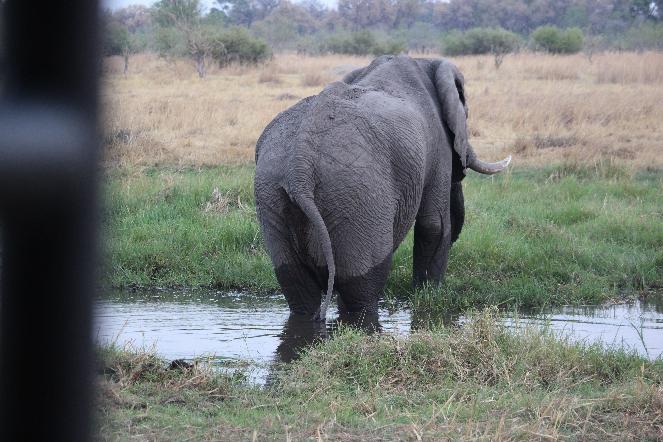 Figure 41: Trumpeting Elephants—Botswana |
It’s not only sound that travels that far when elephants are around; light does, too. During a night game drive in Hoedspruit, the following spectacle unfolded as Dylan drove the Safari vehicle into a riverbed. Jim tells the story:
Dylan’s headlight photons showed us the trees moving as a grey shape slowly emerged from the dark. ‘It’s an elephant’, Dylan whispered. We were spellbound as this ‘ghost’ slowly appeared from the thicket. Then the trunk snaked upwards, and the elephant went onto its hind legs, and the versatile trunk gently pulled some tasty morsel from a tree. We could hear
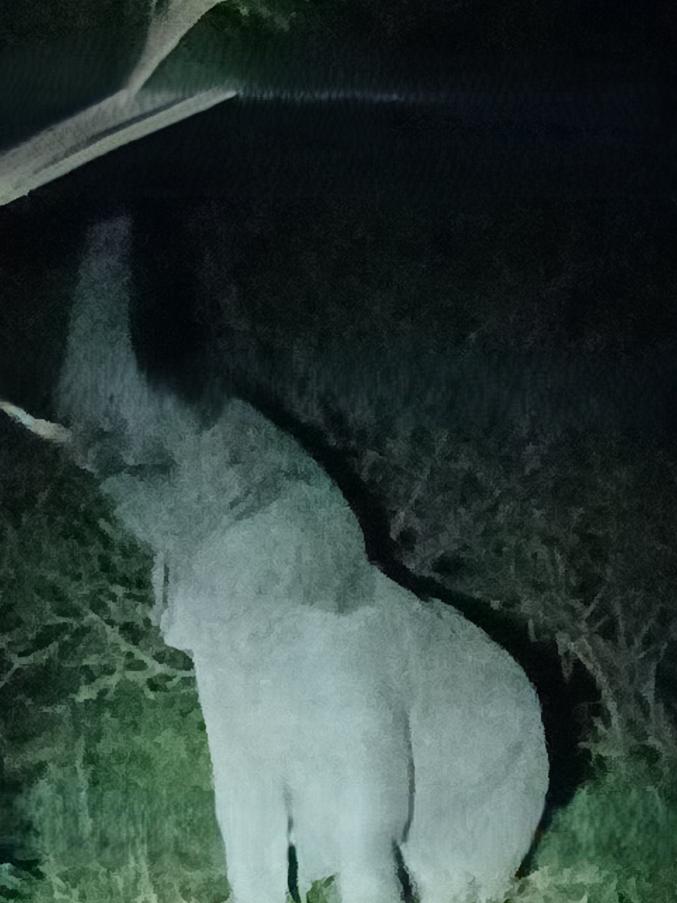 Figure 42: The Ghost Elephant |
Spots
Leopards are characterised by rosettes (broken circles with a central dark spot) rather than solid spots, mimicking the play of light and shadow through tree canopies where they rest. The Greens followed these leopards for some distance as they walked along a path near their hideout.
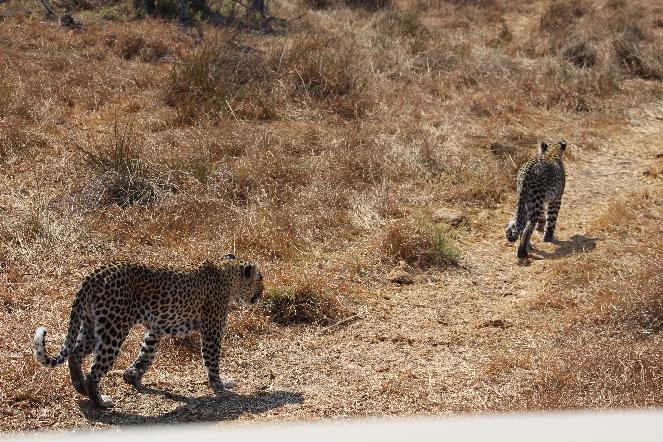 Figure 43: Leopards in Botswana |
Stripes
With zebras, high-contrast black-and-white stripes are generated via embryonic reaction-diffusion chemical systems (Turing patterns) [24].
| Figure 44: Zebra Stripes |
Tessellations
Giraffes have unique coat patterns that look like a puzzle made up of different-shaped patches, kind of like hexagons and other shapes. Light-coloured channels separate these patches, with no spaces or overlaps between them [24].
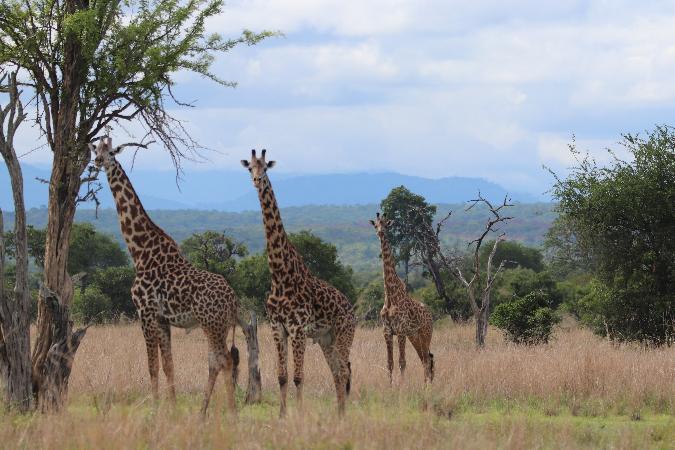 Figure 45: Reticulated Giraffes |
The Birds
The Greens observed birds in Stellenbosch, the Cederberg and Limpopo. Some were beautifully coloured, covering every shade of the rainbow—from yellow, red, and orange to blue, purple, pink, green, and even iridescent, metallic shades—while others were equally beautiful but more circumspect in their colouring: the LBBs, or ‘little brown birds’.
We were amazed at the exquisite artwork and natural mathematical and visual patterns, such as symmetry, fractals, patterns, waves and tessellations [24] that we observed in birds photographed in their living spaces—not to forget the geometrical shapes, stripes, spots and dots.
Aerodynamic Skills and Geometric Design
Birdwatchers cannot help but love birds’ aerodynamic skills and geometric designs[25]. The Greens describe their encounter with a Cape Crow:
This Cape Crow flew across the water as we stood on the shore of a lake in Hoedspruit. Jim took a photograph, hoping to capture the crow’s aerodynamic prowess. It was a success.
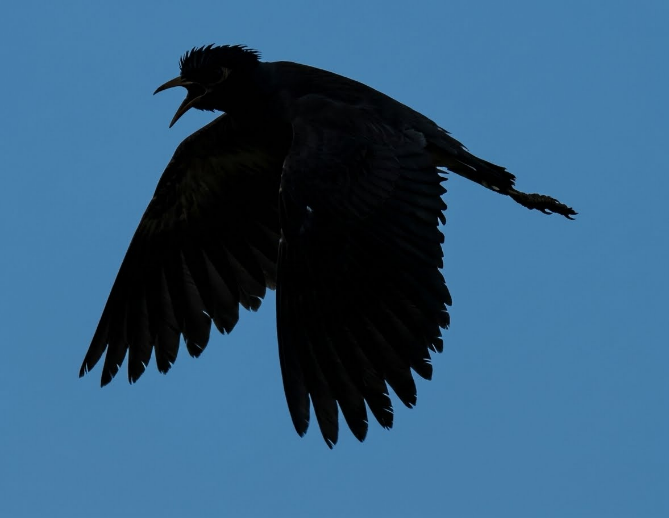 Figure 46: Cape Crow in Flight |
Colouring, Geometry, Stripes, Spots and Dots
Photographs of exquisitely coloured birds never fail to boost ‘feel-good’ hormones in any birdwatcher. The Greens have photographed birds that display colours across the rainbow spectrum—red, orange, yellow, green, blue, indigo, violet—and every other colour under the sun, including pink and even iridescent, metallic shades.
But do the colours mean anything? The ornithologists tell us:
The brighter colours indicate strength, health, good genes, and sexual maturity. The neutral shades—brown, tan, beige, white, grey, and black—which are harder to see, serve as camouflage.
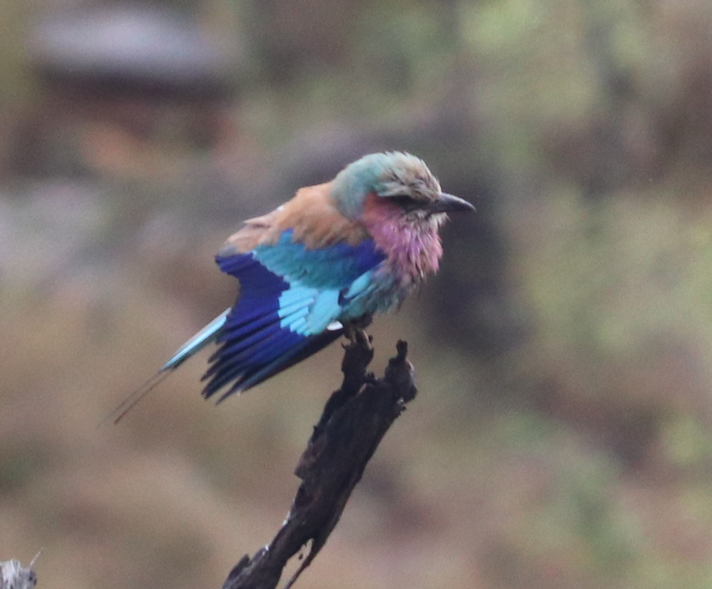
Figure 47: Colourful and a Good Acrobat—Lilac-breasted Roller
This lilac-breasted roller, a little work of art and aerodynamic versatility, was photographed by Jim in Hoedspruit—described in ‘Birds of the World’ [26]:
The bird displays a vivid palette of lilac-purple, turquoise-blue, green, brown, white, cobalt blue, black, and rufous. On the chest, it features a rich lilac-purple breast and throat that transitions into a bright turquoise-blue belly and underparts. The crown is olive-green, the face shows pale pinkish-orange or turquoise tones, and the back and scapulars are warm brown.
The wings showcase bright blue, aqua, teal, and deep cobalt edges with black tips, paired with elongated, blackish-azure outer tail streamers.
The bird earns its name from its signature aerial acrobatics, including steep climbs followed by fast, shallow dives and dramatic side-to-side barrel rolls. These high-energy stunts are performed during courtship rituals to impress a mate or during aggressive territorial fights against rivals.
During peak courtship moments, pairs can be exceptionally dynamic in flight, and some sources note that mating can even occur on the wing. While executing these dives and twists, they often emit a harsh, rattling “rak-rak-rak” call.
Southern Ground Hornbills [27] are weird and wonderful two-tone creatures who walk through the veld unperturbed, as if they own the place. What makes them tick:
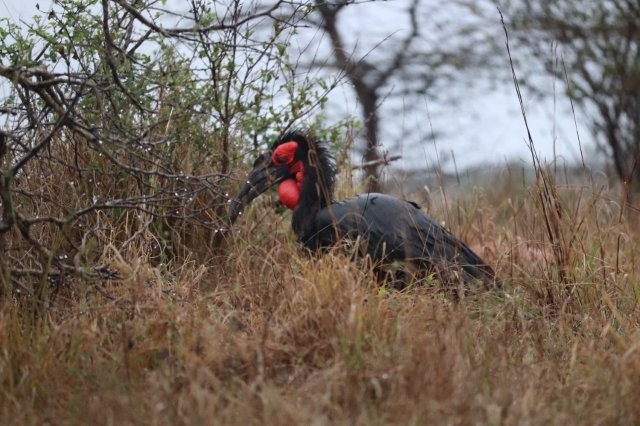 Figure 48: Southern Ground Hornbill |
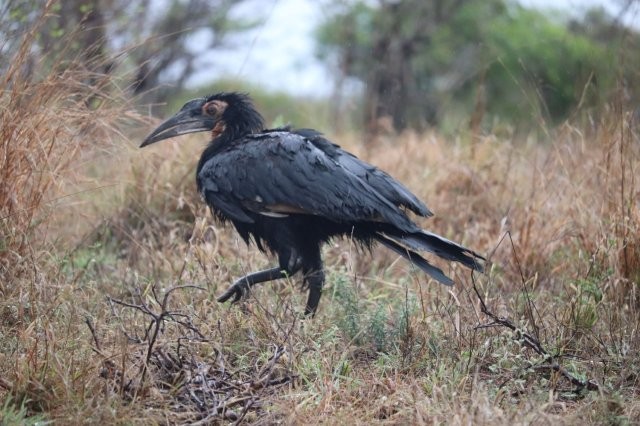 Figure 49: Juvenile Southern Ground Hornbill |
The most striking colour on the Southern Ground Hornbill is its vivid, brilliant red bare skin located on its face and throat wattle. This bright red skin creates a dramatic contrast against the bird’s completely jet-black plumage.
During the breeding season, males inflate their large red throat wattles like balloons. This display attracts females and is paired with deep, booming, lion-like vocalisations that carry for miles. The throat colouration lets these birds—and researchers—tell genders apart instantly. Adult males have entirely red throats, while adult females have a distinct violet-blue patch in the middle of their red throat skin.
The colour acts as a visual timeline of a bird’s age. Nestlings and juveniles start with dull grey or yellow facial skin. As they grow, it mottles into orange and pink before turning completely red at full maturity, around four to six years of age. This prevents territorial adults from seeing younger birds as a reproductive or social threat.
Biologists believe that bare facial skin, rather than feathers around the eyes and throat, helps prevent dust, debris, and savanna dirt from gathering on the bird as it forcefully digs into the ground for food.
The Santiago Zoo examines the plight of the African Ground Hornbill[28] and the horrible fate of other hornbills:
Even the mighty African Ground Hornbills are under pressure: only about 1,500 Southern Ground Hornbills are estimated to remain in South Africa. The Helmeted Hornbill, in particular, is being decimated by wildlife trafficking. Its solid casque has been used for centuries as “hornbill ivory,” carved into figures and jewellery. Traditionally, the material was highly valued and known as “golden jade.”
Recently, demand for their casques has increased significantly as rhinos and elephants disappear; traffickers are turning to other species, like hornbills, for this material. Now, hunters are combing the forests, killing as many Helmeted Hornbills as they can find. Traffickers then smuggle the bills and casques on the black market—recent confiscations have found as many as 250 helmeted hornbill bills and casques hidden in one individual’s luggage.
The southern red-billed hornbill has beautifully scattered white spots on its wing coverts (the upper part of the wings). This is a clever form of camouflage:
The spotted pattern on their wings acts as a form of camouflage and disruptive colouration in their natural savanna, woodland, and thorn-scrub habitats.
The speckles help break up the bird’s solid outline against dappled sunlight filtering through tree branches and shrubs, making it harder for predators like birds of prey and carnivores to spot them while they forage on the ground.
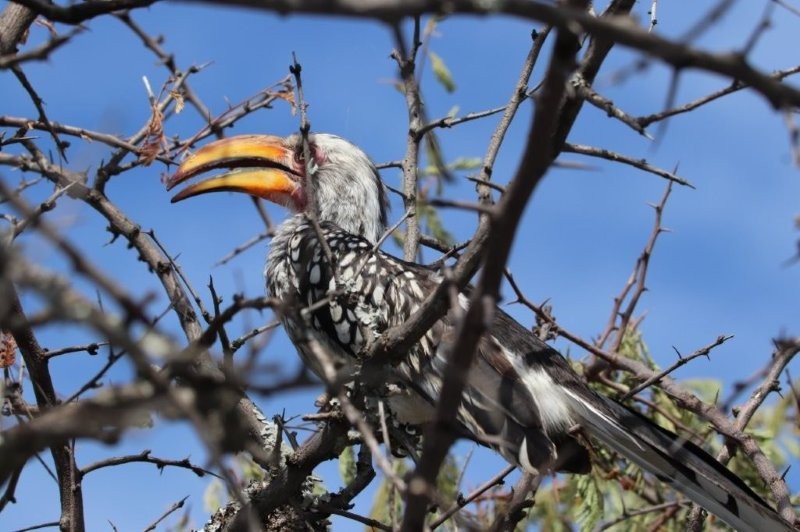
Figure 50: Southern Red-billed Hornbill.
Engineering and Architectural Cultural Norms
The Weaver Bird (Figure 51 below) at his or her home in Clanwilliam, Cederberg, showcases pure ingenuity. They build and rebuild their nests without degrading their habitat. Maria Ramos [29], a cognitive ecologist, explains:
The weavers build nests not just based on genetics or environment, but also unique cultural behaviours specific to their groups. Like humans with different architectural styles, these birds show distinct nesting behaviours shaped by social interactions and experience—cultural norms. While climate has traditionally been thought to dictate nest construction, this study highlights the importance of learning from one another and from individual experience.
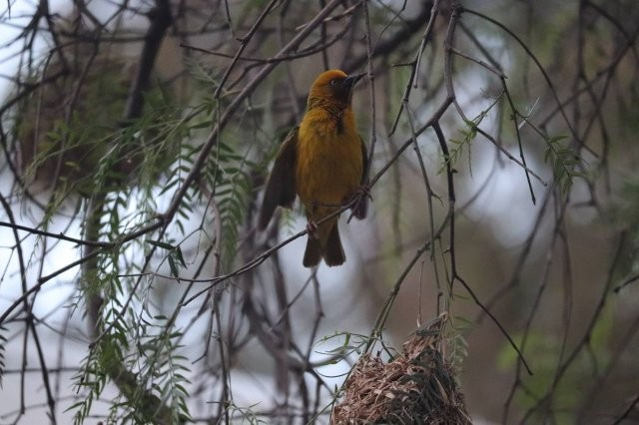 Figure 51: Weaver Bird—Cederberg |
Intelligences
On a game drive in Hoedspruit, the Greens saw this fork-tailed drongo (Figure 52, below) surveying them and the surroundings. They stopped to have a closer look at the ‘Jack Russell of the bushveld’. Virginia Morell (writing in National Geographic) described them as ‘masters of deception’, using fake alarm calls to trick meerkats and starlings into dropping their food. They are kleptoparasites! [30].
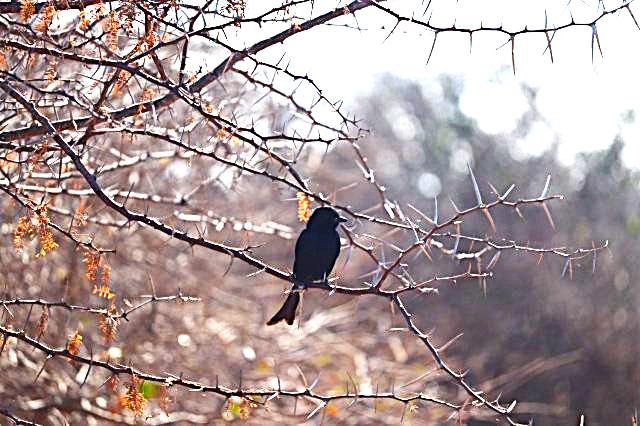 |
| Figure 52: Fork-tailed Drongo |
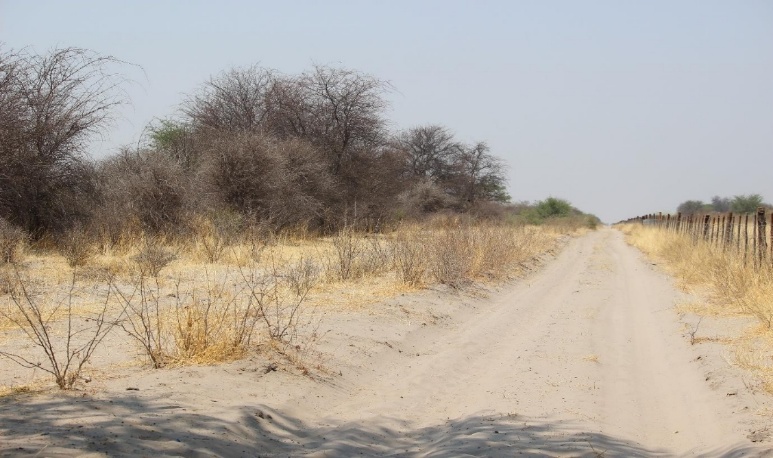
Figure 53: The road to nowhere—Central Kalahari Game Reserve
It is very easy to get lost forever in the Central Kalahari Game Reserve in Botswana (Figure 53 above)—and Jim and Dedrie nearly did. They describe their Photo Ahimsaic ordeal:
There were no proper signposts, no proper maps, no sign of habitation at any of the campsites marked on a hand-drawn sketch, and no vehicles in the park when we signed in.
The tracks were so bad that we had to reverse out often and put branches behind the wheels when we became bogged. The sketch given to us at the reception area guided us to deserted enclosures that could have been campsites—the only inhabitants being solitary kori bustards (Figure 61 below), jackals and hyenas lying in the shade of camelthorn trees.
We had to fight against panic and anxiety from start to finish—our senses heightened as we looked for landmarks. But birds and animals were everywhere, just waiting to practise Photo Ahimsa with us.
We finally reached a campsite (Figure 55 below) after travelling west— ever west—on unnavigable, dreadful roads. We made it to a campsite just in time, as the sun was beginning to set; we nearly drove past the solitary campsite in the deepening shadows. The kori bustard kept an eye on us (Figure 54 below).
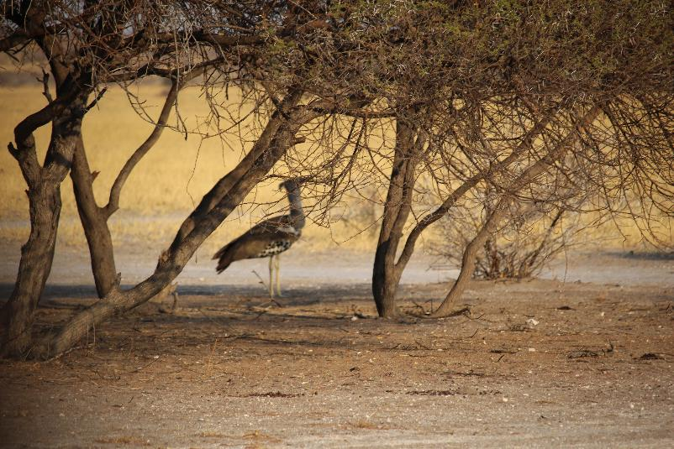 Figure 54: The ‘Captain’ |
Our anxiety eased as the bird calls and animal sounds greeted dusk, prompting us to start setting up a campfire; Photo Ahimsa had to wait until our nerves had settled!
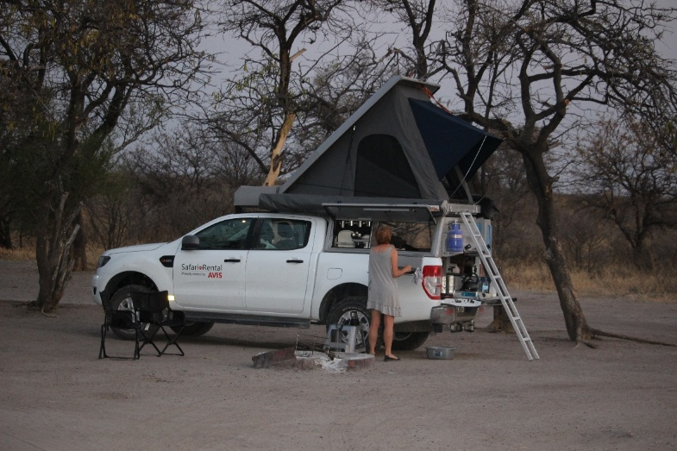 Figure 55: The Campsite—Central Kalahari Game Reserve |
We had a barbecue, with a gloriously welcoming sunset (Figure 56 below). Before we knew it, the brightest moon (Figure 57 below) rose, bathing the area in the softest and gentlest light.
The ‘intelligences’ were beckoning—Canticle of the Sun [31]:
Praised be You, my Lord, with all Your creatures,
especially Sir Brother Sun,
Who is the day through whom You give us light?
And he is beautiful and radiant with great splendour,
Of You, Most High, he bears the likeness.
Praised be You, my Lord, through Sister Moon and the stars,
In the heavens, You have made them bright, precious and fair.
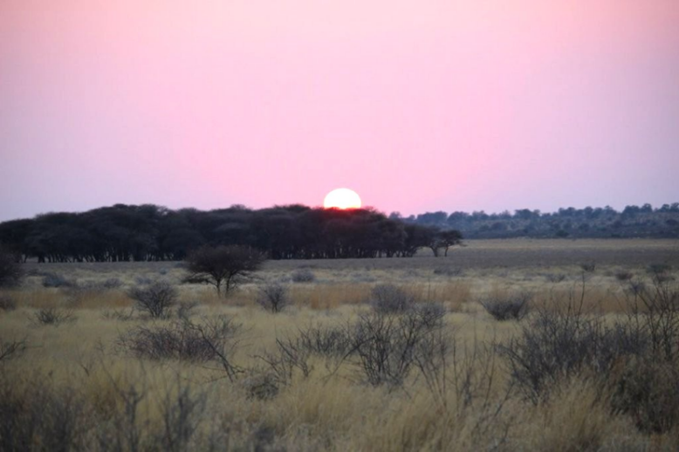 Figure 56: Sir Brother Sun |
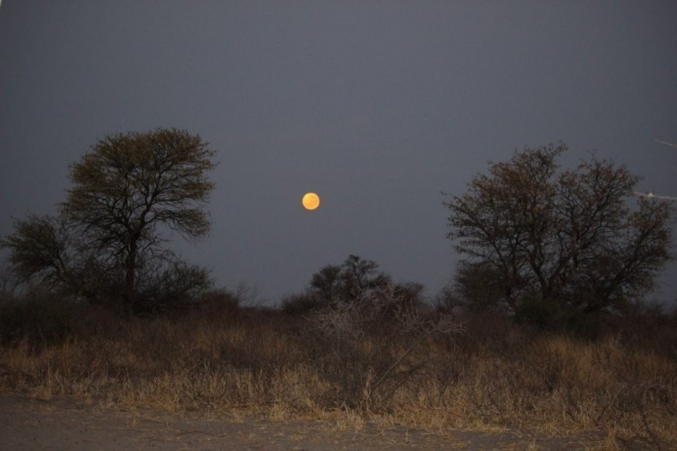 Figure 57: Sister Moon |
As soon as the sun set, the moon gracefully arose over the horizon, rising high into the sky. A glorious symphony filled the silvery night, chirping crickets, howling jackals, snorting springbok, and the powerful crescendo of a lion’s roar—each note effortlessly conducted by Sister Moon. We fell asleep, happiness and contentment overlaid with a little bit of anxiety: ‘What would the new day bring?’
But the new day started perfectly with Sir Brother Sun conducting a magnificent avian symphony. Our fears were laid to rest, and we committed to practising Photo Ahimsa all day.
With the smell of breakfast and freshly brewed coffee, we were ready to practise Photo Ahimsa. We placed a bowl of water on the parched earth next to the fireplace. It didn’t take long for the local Cape Sparrows to visit the bowl of precious water—the Kalahari is an arid place! The sparrows drank thankfully (Figure 58 below). They hopped off the nearby branches of a tree to share our breakfast and to wash down the crumbs with a good drink of water (Figure 59 below).
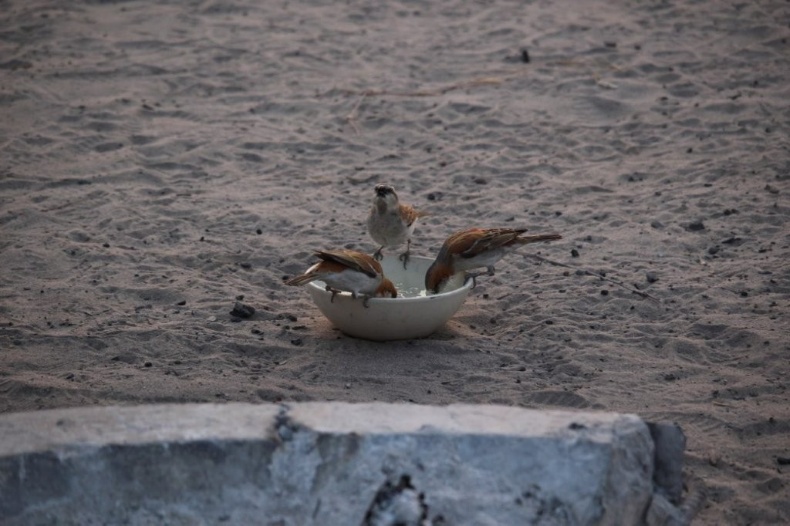
Figure 58: Cape sparrows slaking their thirst.
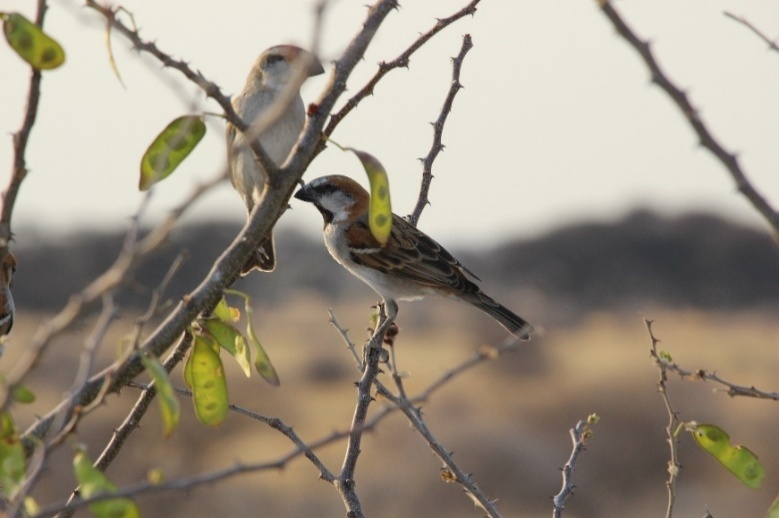
Figure 59: Cape sparrows at campsite.
We set off before the heat of day and were welcomed at the water pans, ready to take photographs, in full Photo Ahimsa mode. At one of the water pans, we could not help but see the kori bustard—the Captain, as he or she is known by the San— mingling with the springbok (Figure 60).
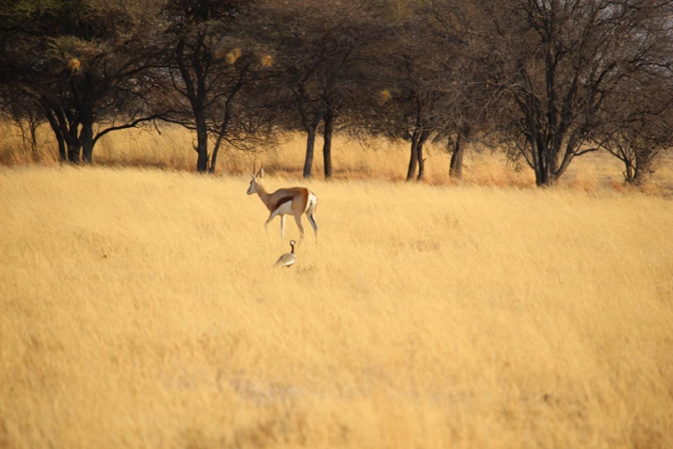 Figure 60: The ‘Captain’ |
We learned that the kori bustard appears in dances and songs of the San People of Botswana, and that paintings of these bustards appear in ancient San rock art[32]. They are the national bird emblem of Botswana.
These birds have a spiritual quality and an ‘intelligence’, according to the San[33]:
The kori bustard lies at the heart of San creation myths. San stories link the kori bustard with the primal formal differentiation of one animal from another. The kori bustard is Kaoxa’s [a being who made the fire of creation] servant and a kind of Captain of the other animals. The San believe animal characteristics were branded into animals using the fire of creation, and the kori bustard’s strong wings fanned the flames.
Now that we know about the San’s myth about the Captain, we see the photographs of the kori bustard (Figure 61 below), in another light, as a ‘servant and captain’ of the other animals.
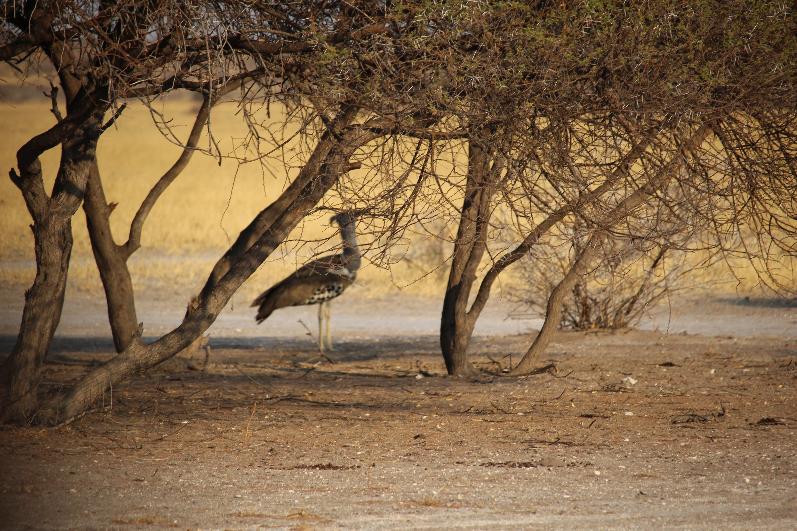
Figure 62: Kori Bustard—Central Kalahari Game Reserve.
Eagles are outstanding ‘intelligent’ hunters, merging instinct with the ability to learn. While their hunting impulse is inborn, the young eagles improve their skills through observation and experience. Each flight is an opportunity to trial and improve their techniques.
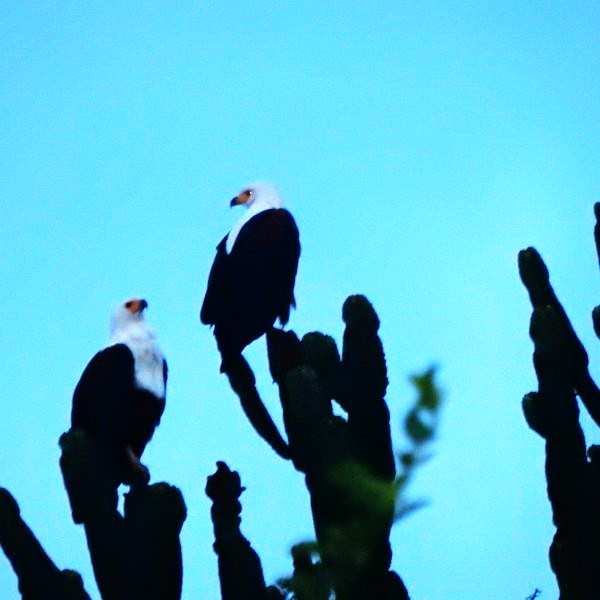
Figure 63: Fish Eagle—Kazinga Channel, Uganda.
Sound and Waves
The mournful, accelerating song of the emerald-spotted wood dove is often translated into human speech using a famous, melancholy folklore mnemonic: My mother is dead… dead… another… brother is dead, oh boohoohooohohoho!
It is one of the most beautiful sound that you can hear in the veld—and it is this little self-deprecating dove that does it!
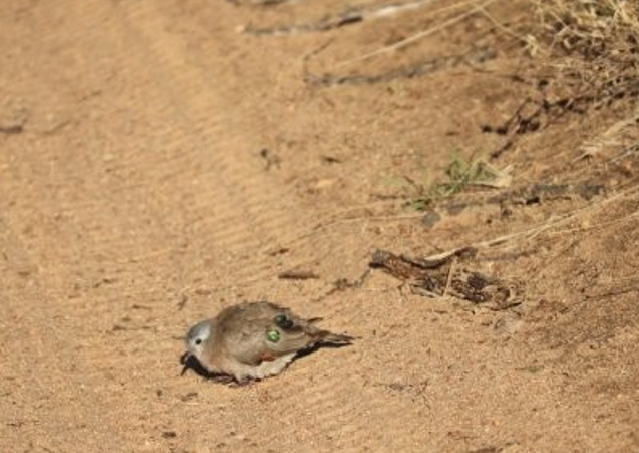 Figure 64: Emerald Spotted Wood Dove |
Fractals
According to Clara Moskowitz [37], ‘For birds…fractals are a turn-on.’ She quotes a study by Lorenzo Pérez-Rodríguez [38]; fractal patterns on a bird’s chest indicate its fitness, mating potential, and overall health.
The Fractal Foundation [36] defines fractals as follows:
A fractal is a never-ending pattern. Fractals are infinitely complex patterns that are self-similar across different scales. They are created by repeating a simple process over and over in an ongoing feedback loop.
This is difficult to get your head around! For people with a background in science, engineering, and mathematics, understanding the logic behind fractals can be challenging. But don’t let that put you off; most observers can recognise beautiful fractal patterns in birds if they know what to look for, without even being able to add two numbers together!
Clara Moskowitz [37] used fractal geometry on the black bib of red-legged partridges and found that a higher fractal dimension indicated better bird health. Poorer health lowered this intriguing dimension.
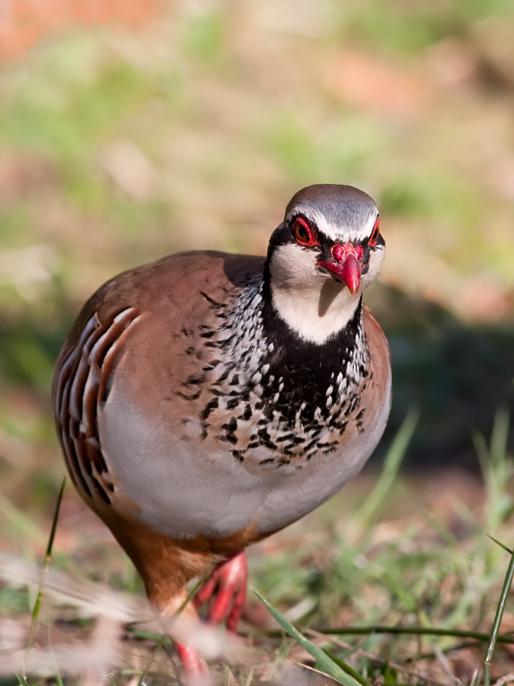
Figure 65: Red-legged Partridge—Wikipedia Contributor
Let’s explain:
Most people know that a line drawn with a ruler is one-dimensional. Photographs, like a piece of paper, are two-dimensional, while a birdwatching camera is three-dimensional. But fractals live in a strange world between one and two dimensions.
The fractal dimension of the partridge’s “bib” area in the image above is 1.7 (please allow AI to rather explain this). Hard to believe, isn’t it? Some even suggest that we might live in a parallel universe!
So, Jim was looking for signs of fractals when we stopped at a lookout over a river; the Greens came across a Natal Spurfowl looking for titbits around the cars parked under shady trees. The spurfowl was a forceful, cheeky bird, but had the most delightful fractals.
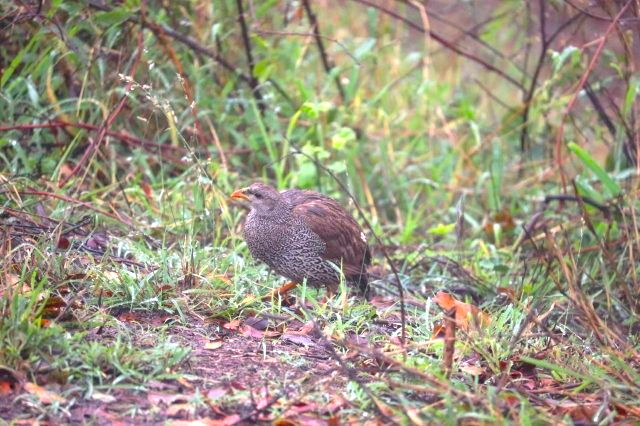 Figure 66: Natal Spurfowl |
The fractal scientists say this about the Natal Spurfowl:
The intricate, repeating pattern on the Natal Spurfowl’s bib resembles a natural fractal, but it is not a perfect geometric fractal. The plumage exhibits a “fractal-like” pattern. The small, crescent-shaped dark bars on an individual feather closely mimic the overall layered, scalloped texture seen across the bird’s entire chest from a distance.